



 4.3
4.3





About Google Chrome
Google Chrome ranks among the top-used browsers worldwide, known for fast performance, clean design, plus strong safety features. Created by Google and launched in 2008, it stays ahead via regular upgrades along with tools tailored for today’s online user. Accessible on key operating systems - like Windows, macOS, Linux, Android, or iOS - it reaches countless people everywhere.
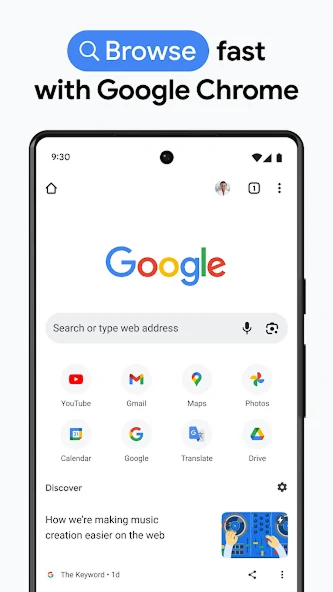
When Google Chrome opens, it shows a clean layout meant to limit distractions while making browsing easier. The search field - called Omnibox - works for both URLs and queries, offering live tips during typing, which many find useful fast. Its start page supports personal touches like site links, theme changes, plus sync with Google tools such as Drive or Mail.
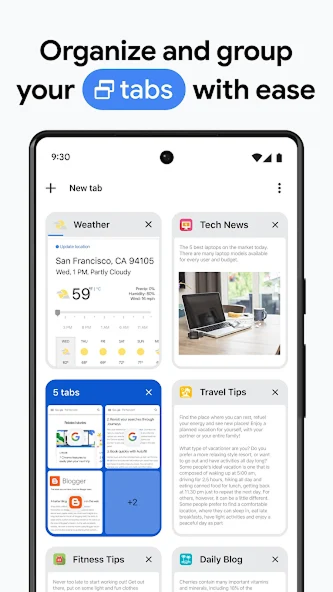
Google Chrome runs fast - that's what it's known for. Thanks to the Chromium base plus constant improvements, pages open quickly, even when you're doing many things at once. Handling multiple tabs works well because the browser uses memory smartly. With the built-in Task Manager, people can check which tabs or add-ons use too much power then shut them down - giving more control than most other browsers offer.
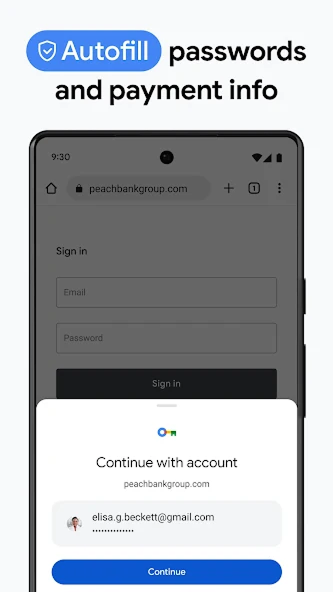
Security also plays a key role in Google Chrome’s popularity. Updates happen quietly in the background, so users stay shielded from new risks without effort. Sandboxing keeps each task separate, limiting damage if harmful code appears. If dangerous websites show up, warnings appear instantly. Tools such as secure password saving and automatic form filling help people handle multiple accounts more safely - without slowing them down.
Google Chrome lets people change many things. Inside the Chrome Web Store, there are plenty of add-ons - some block ads, others help focus or assist developers. Themes adjust how it looks; privacy tools offer control; special functions support those with challenges. Signing in through a Google profile links data like saved pages and preferences across phones, tablets, or computers. This connection keeps everything familiar no matter which device is used.
The browser's development features set the standard, giving coders and site managers strong tools to examine layout, fix code, test phone displays, while tracking data flow. Meanwhile, regular users get straightforward functions - reading view, built-in translation, speech-powered search - with solid compatibility for modern web tech including HTML5 or WebAssembly.
Although Google Chrome performs well in many areas, it does come with downsides. Its high demand on system resources - particularly memory use - is often criticized, especially on outdated devices or when using multiple add-ons. Questions about user privacy appear due to how data is gathered and linked with Google tools, pushing people to check their options carefully. Still, even though plenty of extensions are available, certain competing browsers place more emphasis on discretion, adaptability, or lighter performance.
In short, Google Chrome offers strong performance, safety, and adaptability - appealing to everyday users as well as experts. A simple layout combined with seamless links to Google services supports steady productivity; meanwhile, powerful features plus regular improvements help it stay competitive. Still, people focused on maximum data protection or using low-end devices should think twice about its drawbacks before choosing it regularly.


Features of Google Chrome
Omnibox combines searching with typing links - get answers fast.
Secure tab separation improves browser protection through isolation techniques.
Auto-updates keep the browser secure - no user action needed.
The large Chrome Web Store includes many helpful add-ons, while also giving users access to various tools through its wide selection.

Pros
Shield against phishing or malware to make online actions more secure.
Smooth operation even under high demand, while delays stay low due to efficient handling.
Strong tools for access support those who have trouble seeing or moving.

Cons
High memory consumption slows systems, especially on outdated or constrained devices.
Privacy issues arise from tight links to Google’s data tools - also tied to broad information access.
Ratings
This number is based on download statistics from Google Play and may include historical
data.